Week in Review December 5 – Dec 11, 2011


Week Four of Base Miles (Recovery Week)

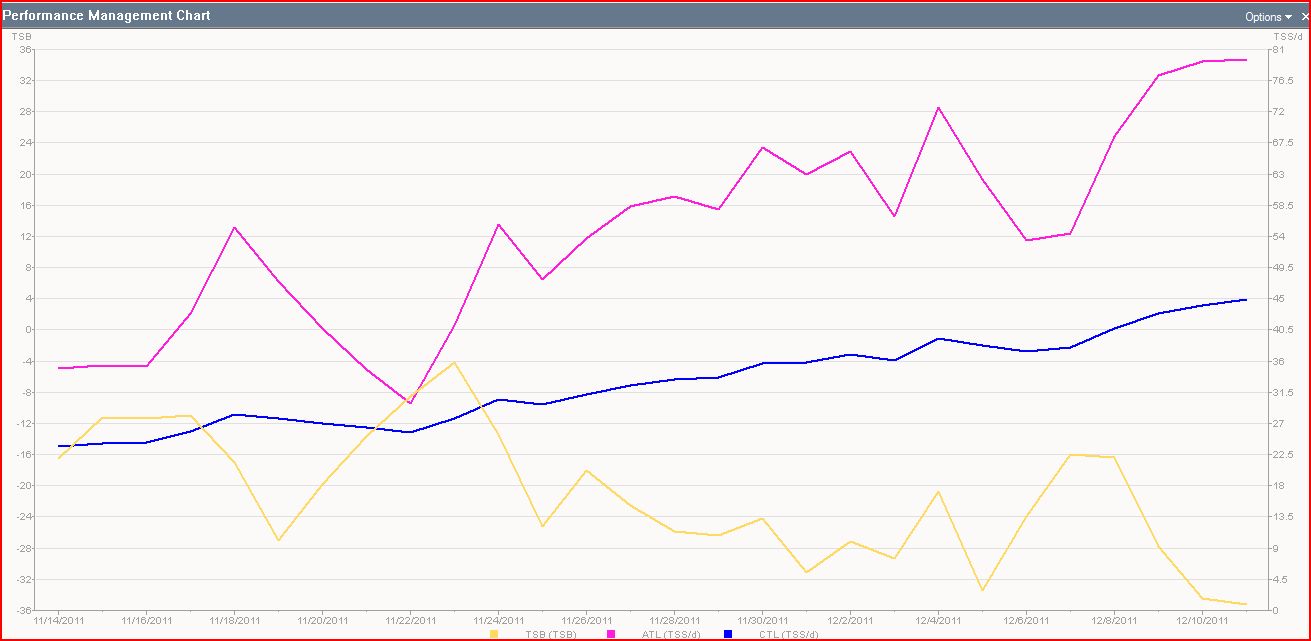
Performance Management Chart last 28 days

Ending—Dura—–Dist—- Weight— HR— TSS—- kJ——1min—-5’w—-20’w— 60’w 

12/11—–14:24—–237——-155——-143—–516—-7577—-347—–281—206—-179

12/4—— 11:18—–207——-155——159—–529—-7167—-337—–279—-239—–204

11/27——8:39—–151——–155——-157—- 427—-4970—- 466—- 317—-211—-188

11/20——6:14——-99——-155——-154—- 292—-3458—- 468—- 286—-213—-180

This concludes my fourth week of a three-week build and one week recovery period.  This week the focus was on maintaining the fitness gained in weeks one, two and three.  I rode easy this week so that I would achieve full adaptation from week three.   While my hours and mileage were more than last week the intensity was still low.  You will notice a significant portion of my hours was spent in the Endurance Zone (lighter Green).

Notice in the graph above how week four has a significant portion of the overall training time in the lower two categories (Blue and lighter Green) My endurance zone is between 165-223 watts.  I feel comfortable riding at that intensity.

Above is a graph depicting hours ridden with Bars and mileage ridden by the Line.  The increase over the last four weeks has been moderate and consistent.

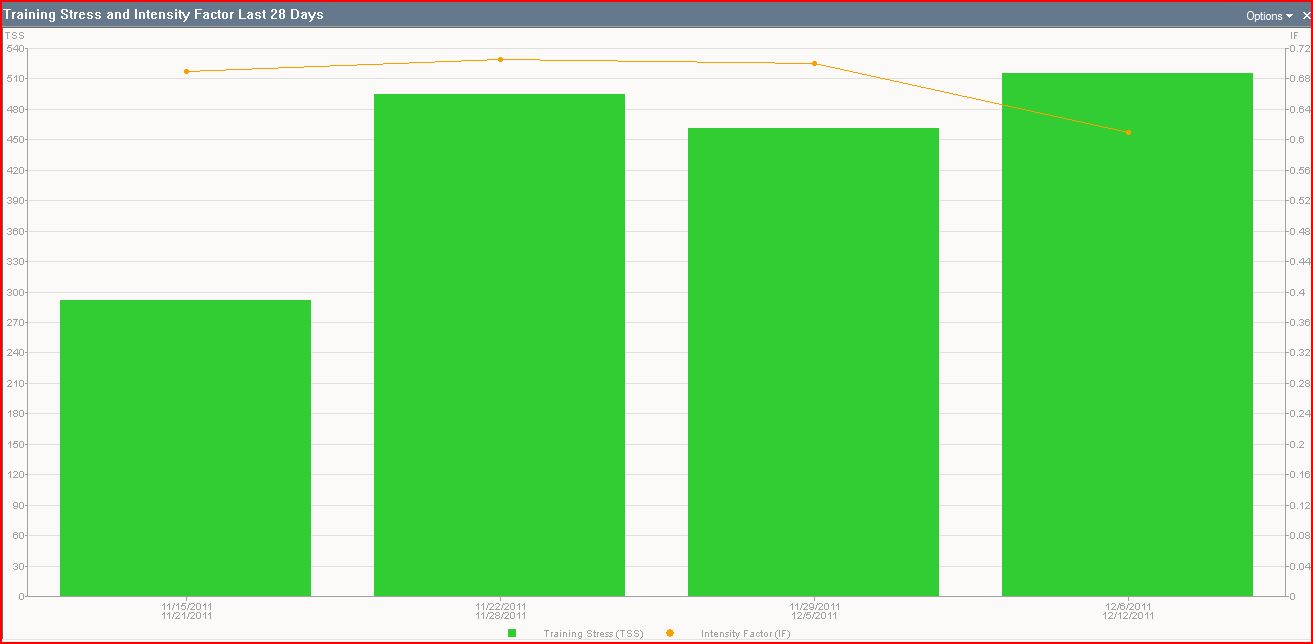
Above you will see how even though I did more mileage on my fourth week my IF (Intensity Factor) is much lower than any of the previous weeks. This type of building takes discipline and training with a purpose. My SRM Power Meter is the best tool for proper pacing.

Nutrition and rest are two very important components of a successful training program.  I use AminoPure after every workout.  It ensures I maintain good health as it boosts my immune system and helps me recover quicker.

I also increase my protein intake to ensure good muscle recovery for the next day’s training effort.  Interphase from Sportquest has 34g of protein with only 190 calories.  If I have been training really hard I make a smoothie before bedtime so I can sleep through the  night.

I rode five straight days with no rest days for a total of 14 hours 24 minutes and 237 miles. A little more than three additional hours and 30 more miles than last week.  Training Stress Score was down from  529 to 516 and kilojoules was up from 7167 to 7577.  Remember the kilojoules is closely related to calories expended.  Notice how on the Performance Management Chart my Acute Training Load (stress over 7 days)  is up from  72.6 to 79.5 and the Chronic Training Load (stress over 42 days) was up from 39.2 to 47.9.  Two items of notable mention:

1.  A good 4.5 hour endurance ride in San Diego

2.  Followed by another good 3.5 hour endurance in San Diego

Just for fun how about these statistics for the last four weeks of training:

I rode 737 miles burned 24,000 calories,  43 1/2 hours and averaged just over 17 miles an hour.  

Thank you for reading my blog.  Please pass it to a friend!

Product Review- Aminopure Newfield Nutrition


In the early part of my season I was suffering from colds every time I increased my mileage over 300 miles for the week.  I was so frustrated because each cold meant at least a week off the bike.   I even missed an early season event, the Hell’s Gate Hundred.  Here is a post I made in between the Hell’s Gate Hundred and the Mount Laguna Bicycle Classic.   I had heard of using L-Glutamine as an immune booster but as you know from reading my blog I’m a skeptic 😉

In late May, I began using Aminopure, which is 100% USP Grade (United States Pharmacopeia) L-Glutamine.  I began with the prescribed amount of 5g after a hard ride.  I increased the dosage to 10g after a 3-4 hour hard ride.  On my longer rides 6-10 hours, I would take 10g when I first got off the bike and then another 10g before I went to sleep.

I find it interesting that people outside of the cycling world are aware of the benefits of L-Glutamine supplementation.  The other day I had a gentlemen say to me, “Oh you guys carry L-Glutamine?  Hmm…I give that to my patients in the ICU.”  I responded, “Really?”  He then said, “Yes I give my patients 30 grams a day.”

My experience with Aminopure has been positive and rewarding.  It’s very rewarding to not miss training days because you’re sick.  My good health has been a constant I can count on even when I’ve been training hard, stressed from work, or short on the proper amount of sleep.  I haven’t had a cold since I began using Aminopure regularly in spite of the harder and longer training rides I’ve done compared to those in the early season.  I recommend taking Aminopure as part of your recovery process.  I think you will find you will recover better and be able to train just as hard if not harder on consecutive days.

More information on Glutamine:

Review of Glutamine
Let’s start with a brief review of glutamine.  All body protein is made up of amino acids and glutamine is the most plentiful free amino acid in the body.  Its unique structure and ready availability makes it a vital nutrient for optimal functioning of all organs and organ systems in the body.  Glutamine works by providing extra carbon and nitrogen to organs in need.

The specific systems that depend on glutamine include the:

  • Blood system including the immune cells and the red blood cells
  • Digestive system including the intestines
  • Liver
  • Kidney
  • Brain
  • Musculoskeletal
  • Endocrine glands

Production and Decline of Glutamine in the Body
Although all cells have the potential to make glutamine, it is made primarily in skeletal muscle, followed by the lungs and brain.  With most illnesses and under conditions of stress, such as over-training in athletes, glutamine levels in the blood decrease.  This decline could be due to an increase in the need for glutamine by organs or it could be that skeletal muscle cannot manufacture it rapidly enough to fulfill the demand.  Whatever the reason, there is a deficiency of glutamine in the body and that is the reason for supplementation with glutamine.

Below is a partial list of health conditions or illnesses where glutamine supplementation has been shown to have benefit:

  • Reduced side effects of chemotherapy including lessening of nerve damage to the hands and feet and decreases of mouth sores and diarrhea
  • Improved regulation of the immune system
  • Decreased infection rates
  • Restored muscle mass
  • Improved outcome following surgery, including fewer infections and deaths
  • Prevented HIV wasting
  • Reduced diarrhea
  • Increased nutrient absorption with short bowel
  • Enhanced recovery following athletic over-training
  • Improved blood sugar control in critically ill patients

Recent studies also suggest that glutamine may be useful for people who have heart conditions and individuals who are overweight.  In follow-up issues of this column, I will discuss all of these topics in more detail

Source

Newfield Nutrition Corporation is a new and innovative company that was started and is operated by a group of physician scientists who believe that rational nutritional supplementation can play a vital role in preventive and restorative medicine

Product Review- 2011 Felt F1 with Di2- Felony is born


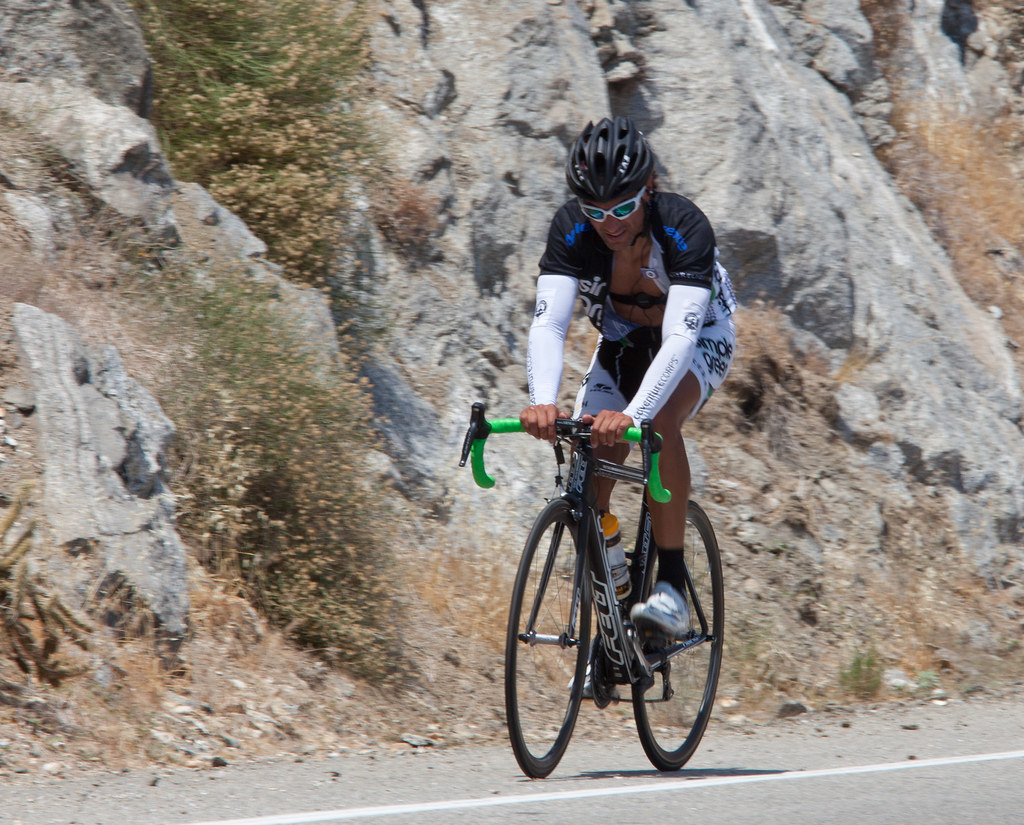
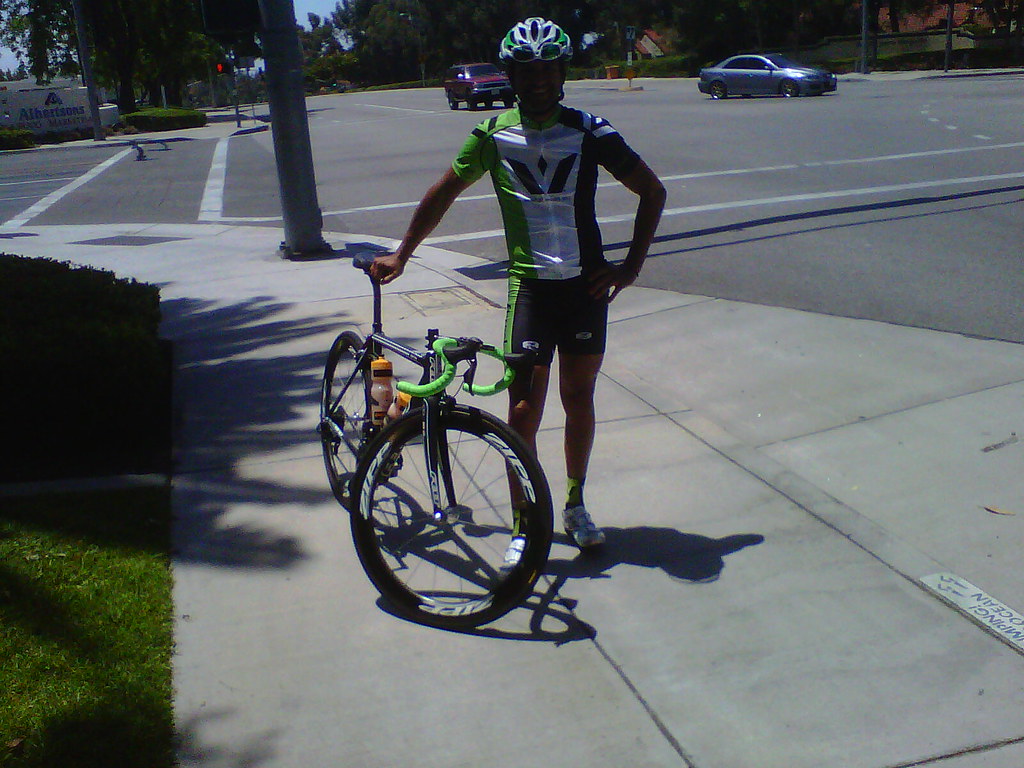
George “Red-Eyed Vireo” Vargas climbing Montezuma Grade (12 mile 3,400 gain) from Borrego Springs to Ranchita in the desert climate of California east of San Diego

My 2011 Felt F1 has taken me to great heights including a Personal Record in the 2011 Breathless Agony climbing century with a new PR of 5 hours 24 minutes.

It is with great pleasure that I write the review on the 2011 Felt F1.  Last year I rode the 2010 F2 with Di2.  As the 2010 season came to a close I was very excited to ride the redesigned 2011 Felt F1.  All I needed was a frameset, so I could use my Shimano Dura-Ace Di2 components, SRM 7900 wireless crankset powermeter, Shimano Dura-Ace wheels, cockpit, saddle and Dura-Ace pedals.

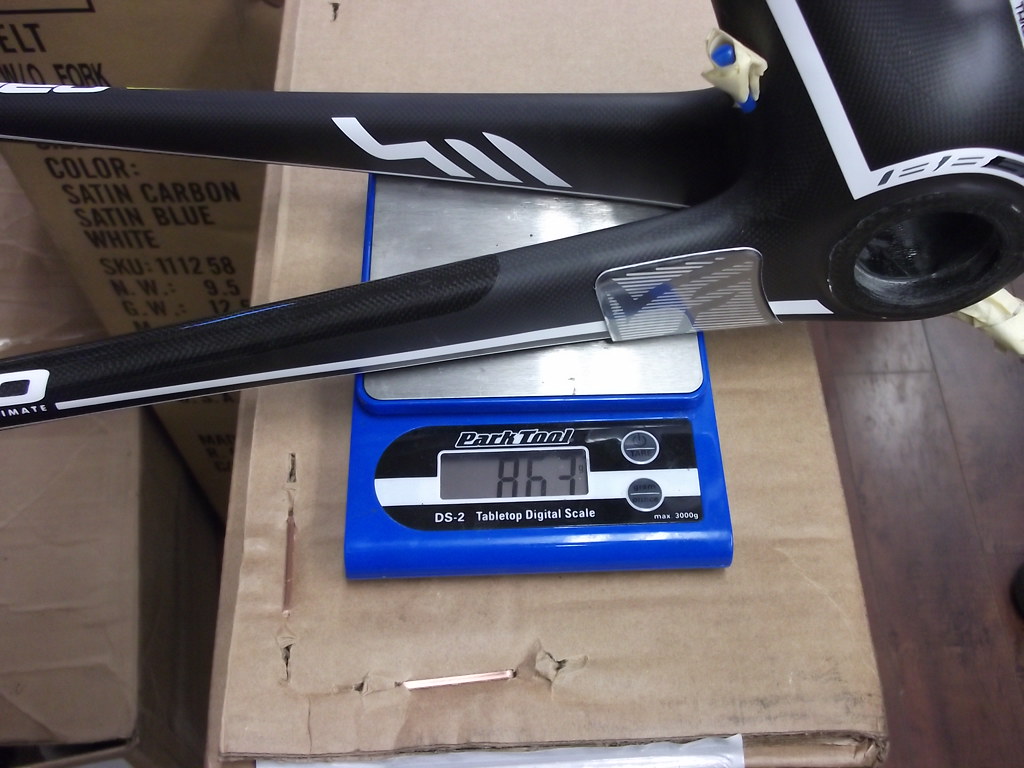
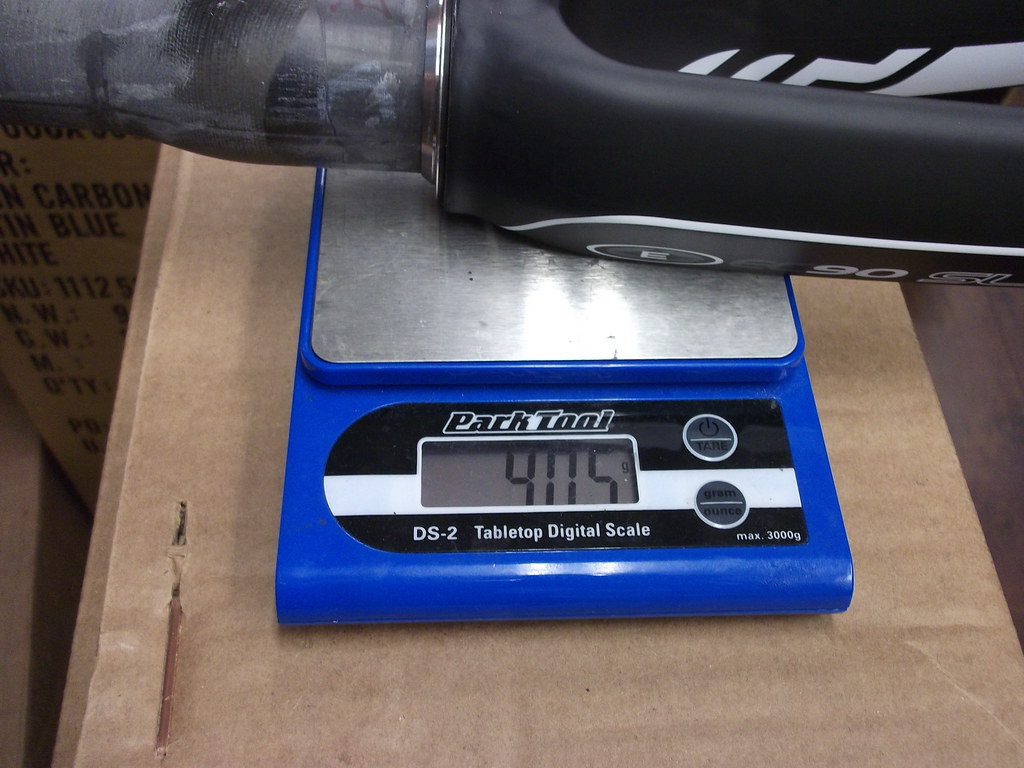
Below you will find the breakdown of the components I used including their weight — claimed versus actual.

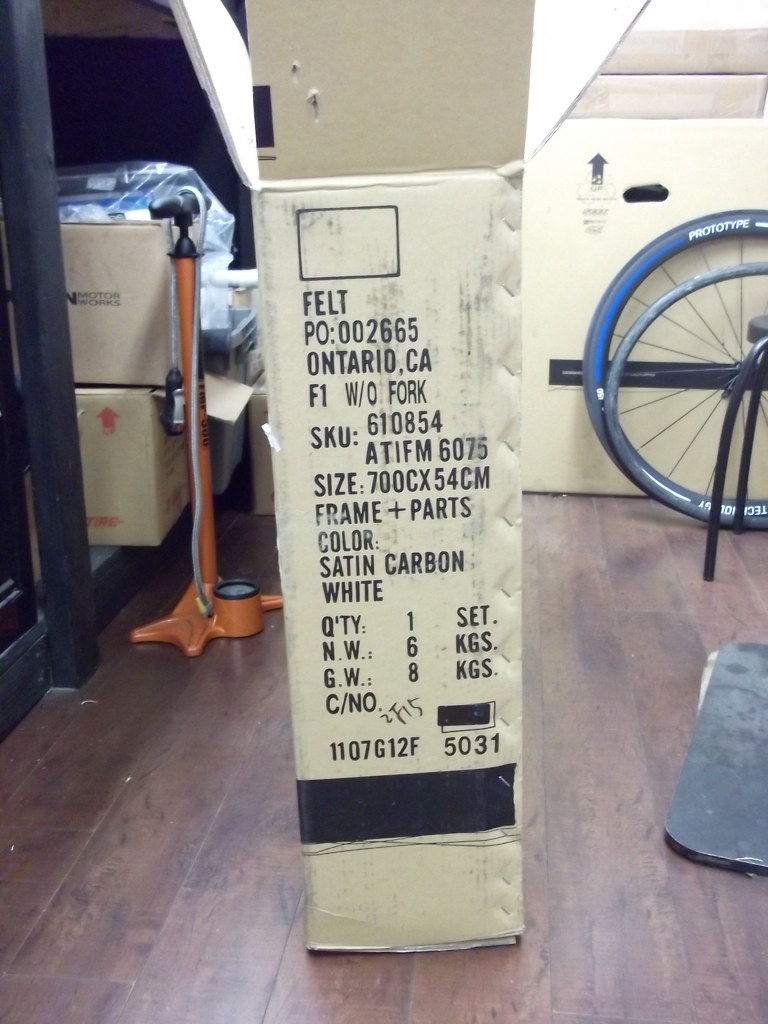
Felt Bicycles is located in Irvine California and has their warehouse in Ontario, CA

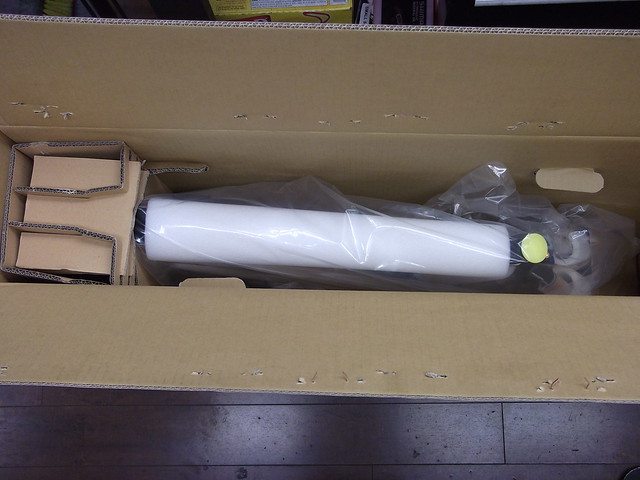
Felt Bicycles does a very good job packing and protecting the precious cargo within.

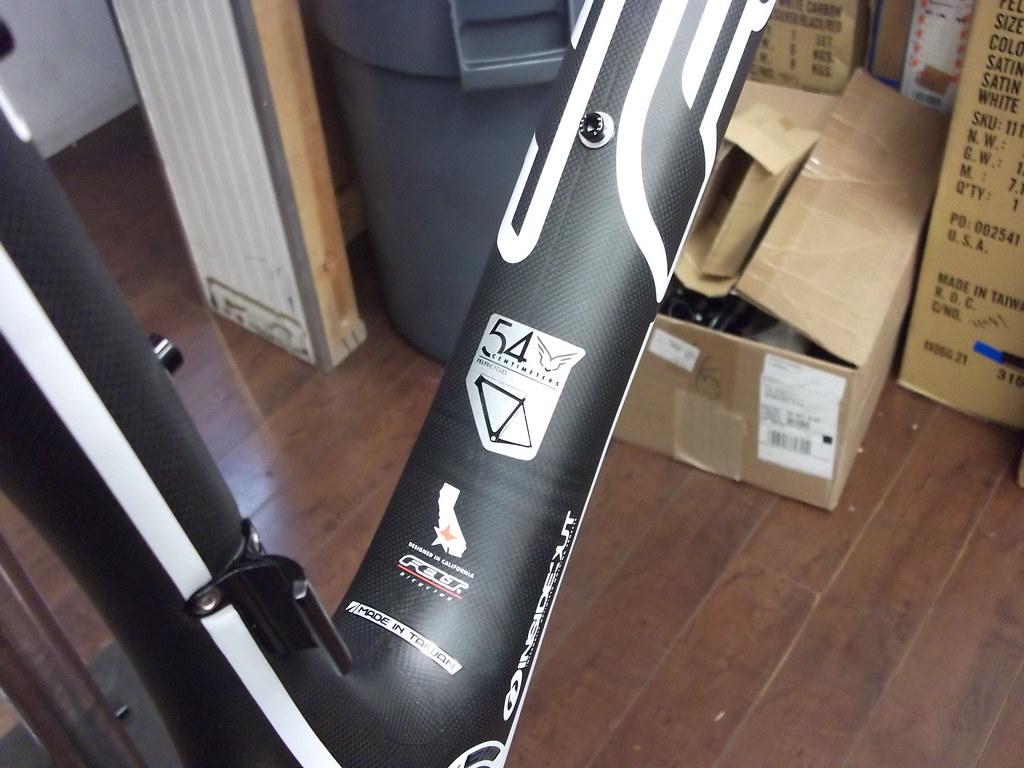
The 2011 Felt F1 54cm now has a 73.5 degree seat tube angle.  2010 had a 74.5 degree seat tube angle.  For the 2010 season I rode a 56cm F2 so that I could use the 73.5 degree seat tube angle. Personally, I prefer 73 degree seat tube angle.

2011 Felt F1 frame with derailleur hangers, bottle cage bolts, shift cable “noodles” and seat post clamp. 

Weight of just the “noodles”

Weight of Easton EC90 SL tapered fork …uncut

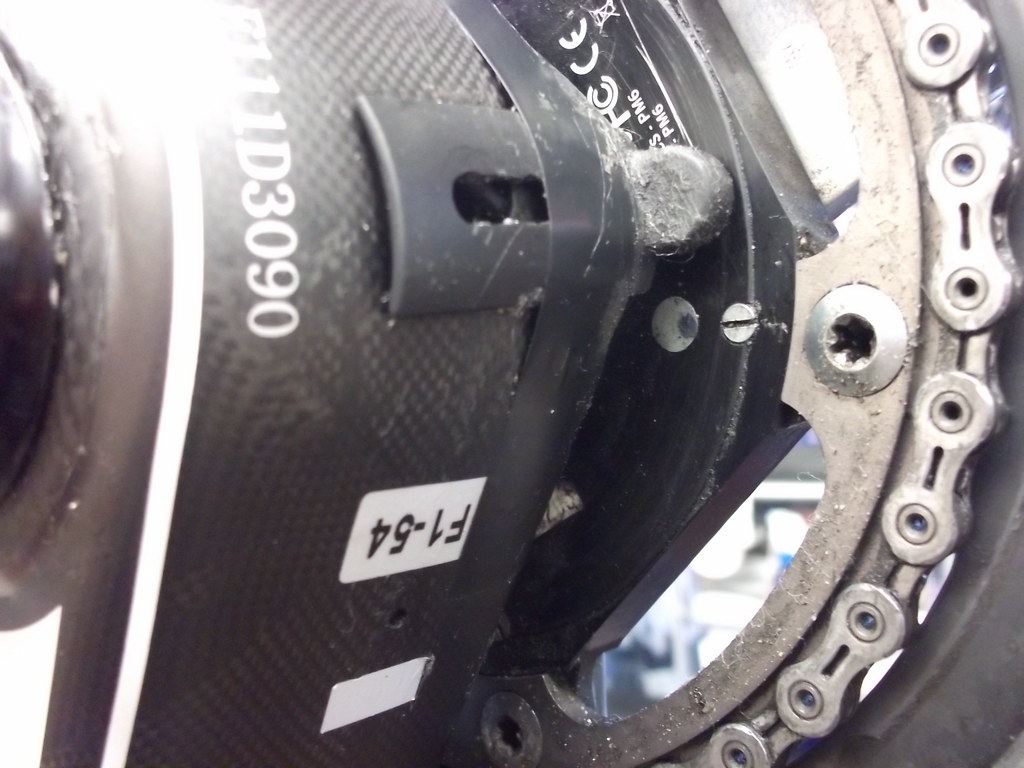
2011 Felt F-Series bicycles now come with an all carbon BB30 bottom bracket shell.   The bottom bracket is manufactured with a shoulder.  The first hurdle I encountered during assembly was not being able to use the Shimano external cup bottom bracket.  I use a SRM Shimano 7900 Dura-Ace wireless crankset power meter.  The Shimano crankset is a standard 24mm crank  So what were my options?

1.  FSA Bottom Bracket aluminum sleeve

2.  Felt supplied bottom bracket adapter

3. BH bearings

I chose option #3

Option #1- seemed somewhat permanent to me.  You have to press in the sleeve that reduces the 30mm down to 24mm.  I figured in an all carbon bottom bracket shell if I ever decided to take the sleeve back out I might damage the shell.  If you decide to use it the external bottom bracket bearing cups just screw in like a normal bottom bracket and the 24mm crankset installation is uneventful.

Option #2 – I remembered having issues on another customer’s bike assembly and just passed on it.

Option #3 – I remembered having a positive experience on several other BB30 bikes including the Felt F1 and so I went with it.

A word on BB30– I know all the technical reasons and merits for such a new standard.  But in my experience, in a shop environment, I have not seen where BB30 is that much greater than the 24mm standard.  Time and time again bikes come in with creaky bottom brackets and 95% of the time it’s a BB30 system.  Cannondale pioneered the standard and they make a REALLY light crankset to go with their BB30 bottom bracket.

Is having the crankarms closer to the frame (Q-factor) necessary in all applications?  Add to it the lack of durability (bearings aren’t sealed properly) and you end up with a system that requires a lot more maintenance.  I have had Shimano Dura-Ace external bearing cups on some of my bikes for years and years and thousands of miles and never had to replace one.  When I asked the road product manager why BB30 he responded “to have more crankset options”  Agreed you now have more options but I personally don’t think it was necessary.

I digress, option #3, requires you to mill down 3mm so that the cups can be fully inserted against the shoulder in the all carbon bottom bracket shell.

After being milled down notice the stock and milled 3mm

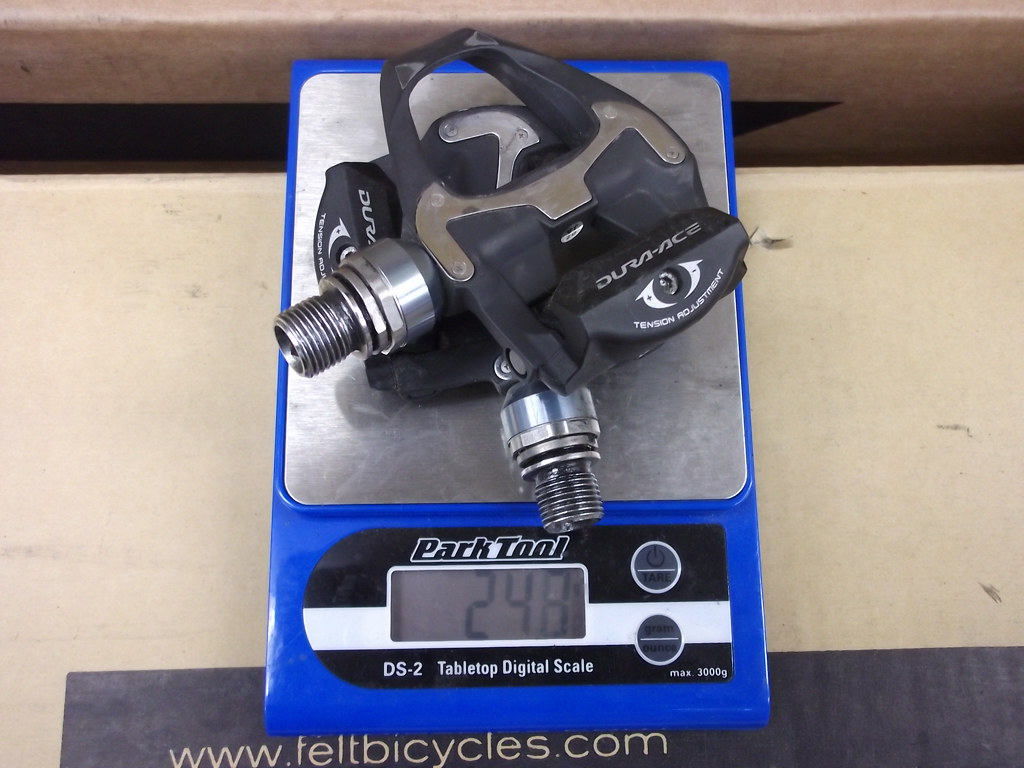
Shimano Dura-Ace 7900 pedals claimed 248g actual weight 247g

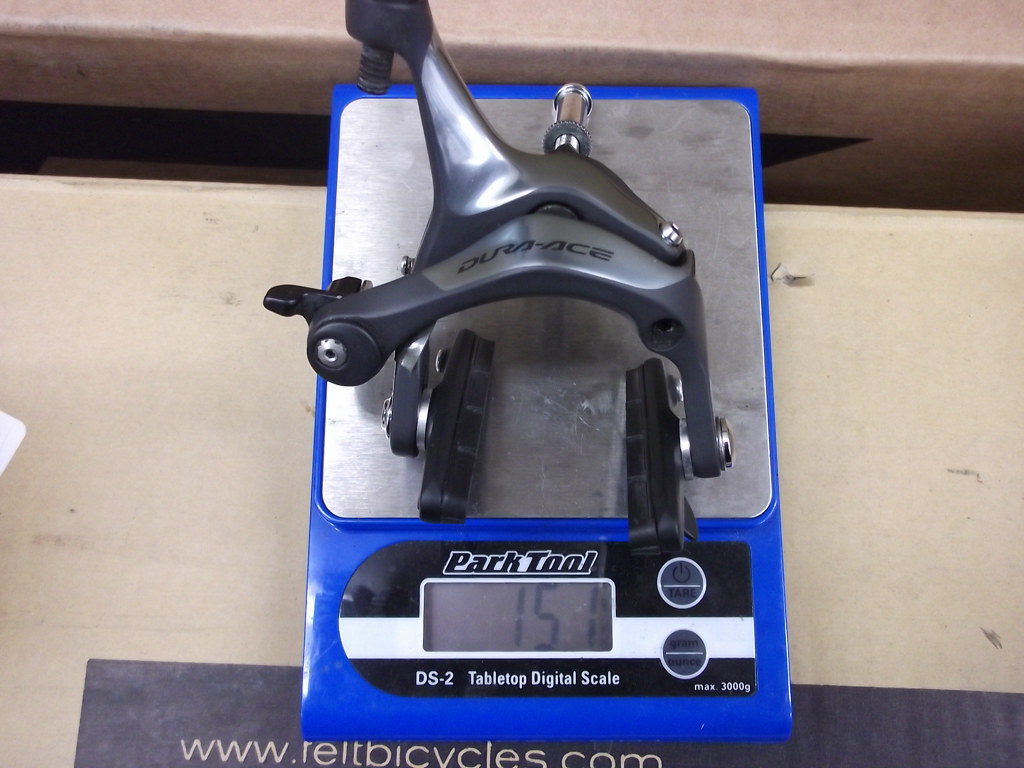
Shimano 7900 Dura-Ace rear brake caliper

Shimano Dura-Ace 7900 front brake – claimed 293g for the pair actual is 295g
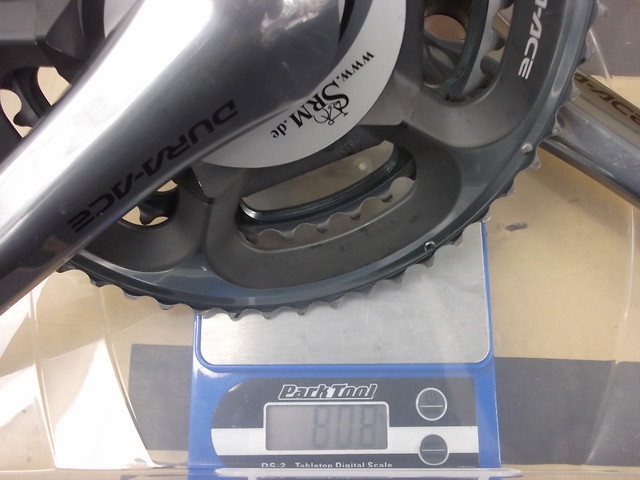
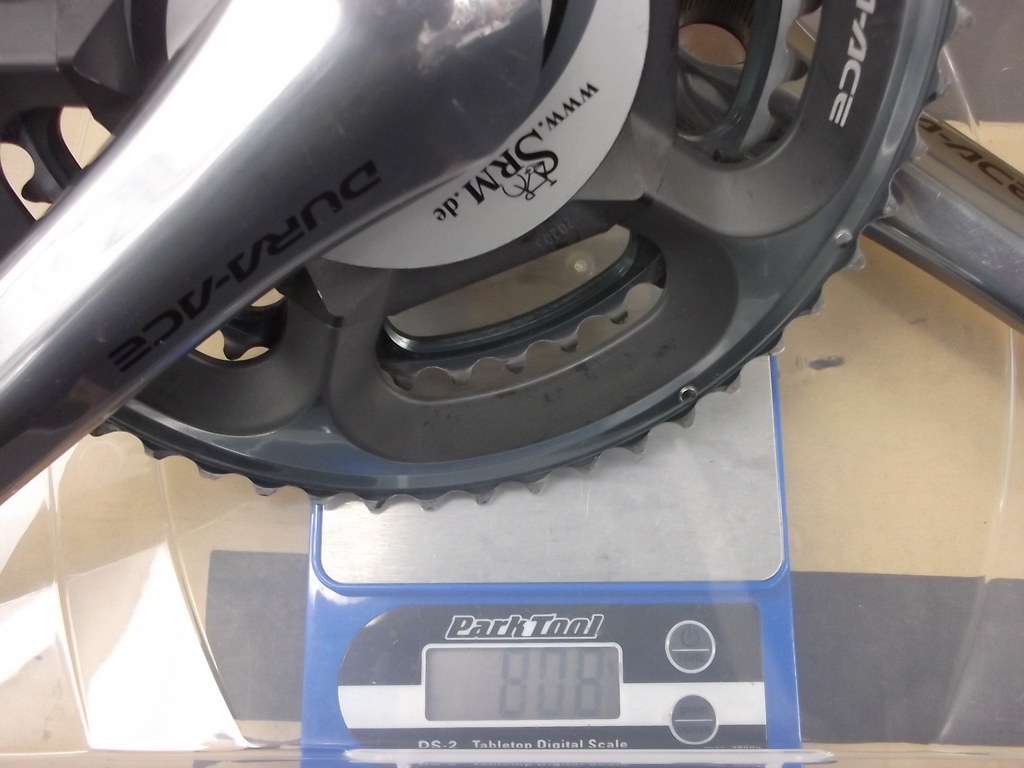
SRM Dura-Ace 7900 wireless crankset power meter

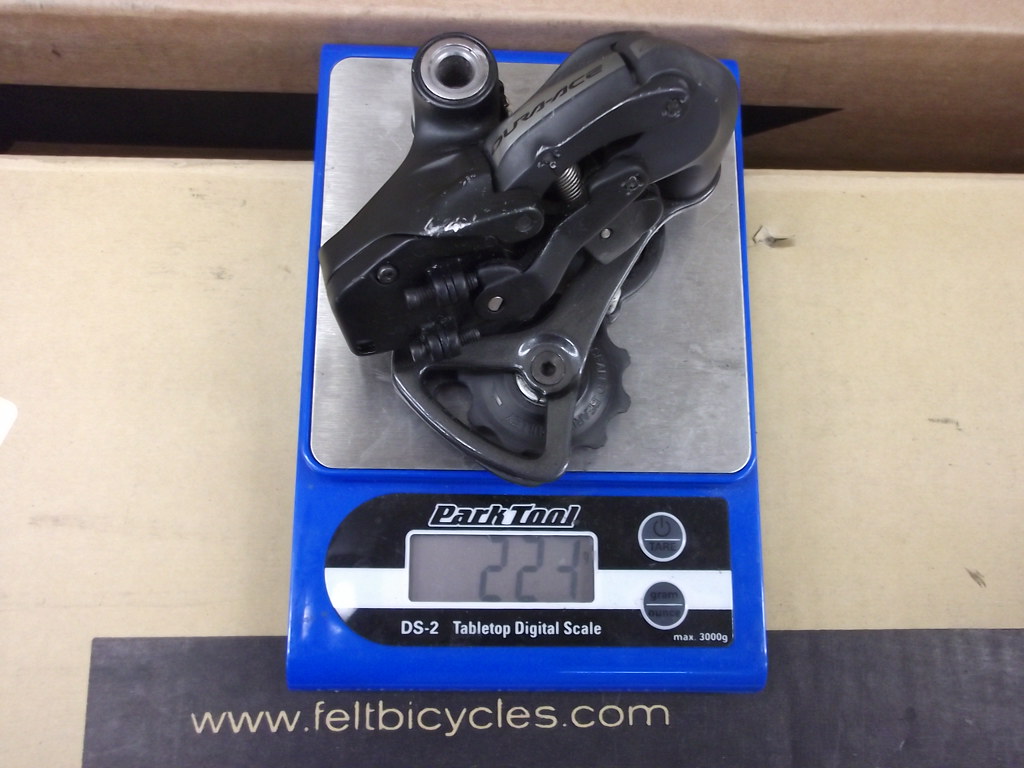
Shimano Dura-Ace Di2 rear derailleur advertised at 225g actual 223g

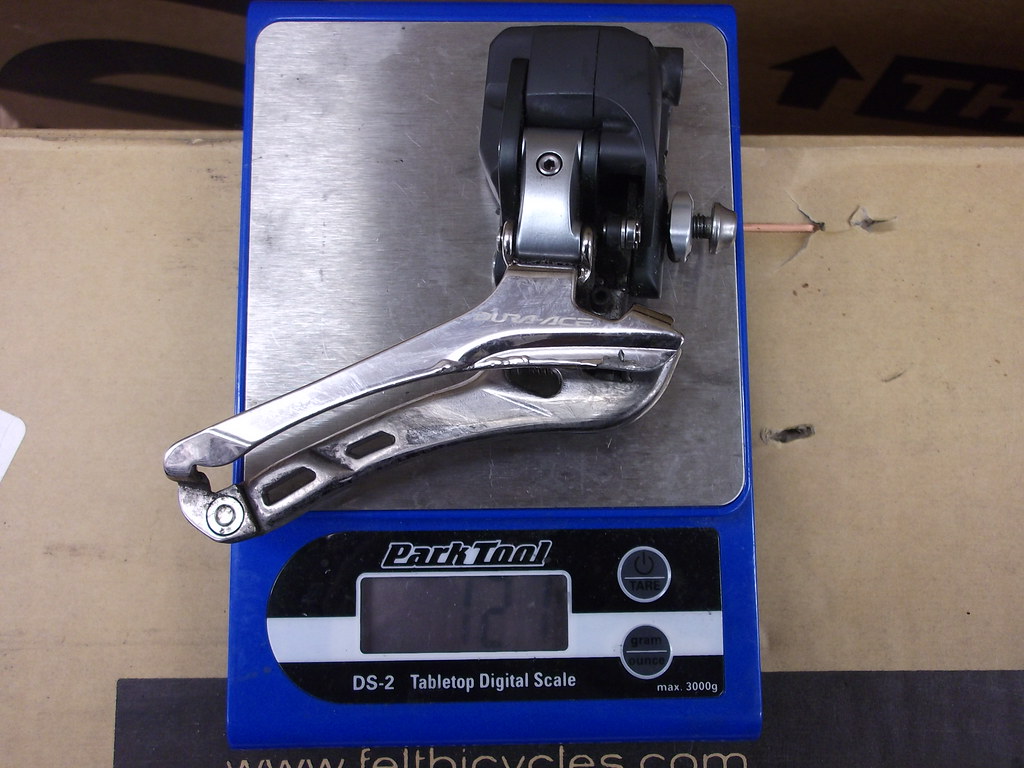
Shimano Di2 Front Derailleur advertised 124g actual weight 121g

Profile Design Elite Karbon Kage advertised at 16g actual weight 16g!

Easton EC90 Seatpost advertised at 200g actual weight 194g

Fizik Airione Versus saddle advertised at 239g actual weight 243g

Shimano Yumeya Chain

Shimano Yumeya Chain

TiN (Titanium Nitride) plated inner links which improves stretch durability by 18% while increasing oil retention, which also indirectly increases chain life. Thus, for a little bit more money, you get a longer lasting chain that rides quieter and arguably looks much better. The 7900 Yumeya chain still features Shimano’s directional outer links for better shifting all around, and remains super light with it’s hollow pins and hollow inner links.

Features

  • 7900 Yumeya chain weighs 258 grams
  • 18% increased chain durability
  • Increased oil retention
  • TiN plated inner links
  • Hollow Pins
  • Hollow inner links
  • Profiled outer chain links for smoother, quieter shifts

Complete bike weight with Shimano Dura-Ace C24 carbon clincher training wheels.  You can always make the bike lighter.  I have a full Dura-Ace group and we all know that Shimano is more interested in high quality, dependability, and durability than being the lightest in the industry.  Being an Ultra cyclist, I really appreciate Shimano’s conservative approach to design.  I do lots of miles and many times I’m out in the boonies or on closed roads.  I build my bikes with components I can trust.

The Ride

Ok so now that we have covered all the technology and weights and measures how does the bike ride?  It rides like a full-on race bike!  Felt Bicycles did a fantastic job in making that happen.

I built the bike after work and just HAD to get out for a test ride that evening.  I chose a flat 20 mile ride along Pacific Coast Highway from Newport Beach to and through Huntington Beach.  The usually annoying traffic signals provided me with the opportunity to perform numerous standing starts from a trackstand.  I was surprised the first time I really stomped on the pedals and looked down and saw that my max wattage was over 1,000 watts.  I was like “wait what the…”  So at the next traffic signal I slowed, did my trackstand and BAM! stomped on the pedals and again another 1,000 watt effort.

Alright this is quite unusual for a guy like me.  If you follow my blog you know that I am an Ultra Cyclist and rarely does an ultra race (200miler and above) come down to a sprint finish.  I don’t train to have a massive sprint or anything even remotely similar.  I train to have endurance and tempo forever as my friends like to say.  My first thought was that my SRM must be reading high so I pulled over and redid the zero-offset.  But that didn’t matter because I hit over 1,000 watts on two more occasions.

I started making some deductions…if the bike is light and the bike is stiff then it must climb well 😀  that would remain to be discovered since it was late in the day and no time to hit any climbs.  After the initial excitement in discovering I actually had a sprint 🙂 attributed to the awesome bottom bracket stiffness I began to focus more on the Felt F1’s road manners i.e. ride quality.  That’s when I realized the front-end was a little too stiff for my liking.  The new frame has a 1.5″ bottom bearing in the headset with a tapered headtube and tapered fork to match.  I think it might be too stiff for the recreational rider but then this bike wasn’t really made for that rider was it?

When  I spoke to the Felt road product manager he acknowledged that the front end could use a little more refinement.  He mentioned to me that a new fork is in the works and will help with the front end ride quality.

Aside from the front end this bike is loads of fun on ascents and descents.  Since my first test ride on this bike in May I have done several thousand miles and I am thoroughly enjoying it.

Here are only a few of the epic rides I have done with my 2011 Felt F1:

Breathless Agony Climbing Century– May 5- 112 miles (70 miles with 11,000 feet of climbing)

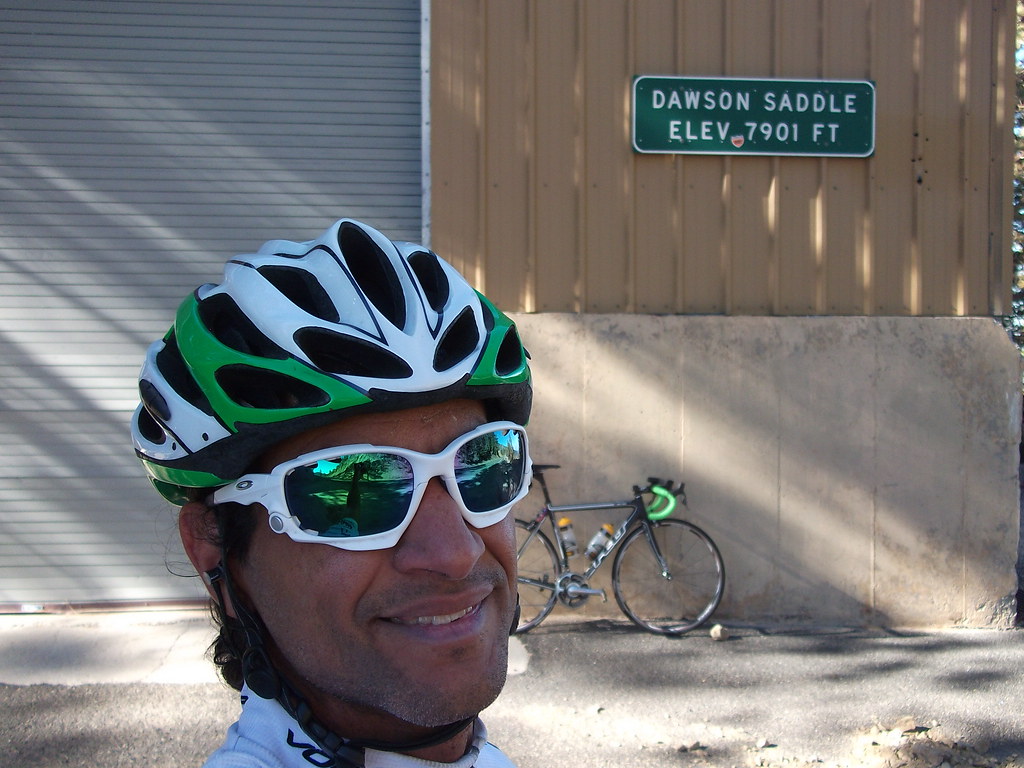
Newport Beach to Dawson Saddle-  May 14–168 miles with 11,300 feet of climbing

Angeles Crest Highway— June 24– 100 miles 12,000 feet of climbing

Lake Henshaw Climbing Camp– July 11 100 miles 10,200 feet of climbing

In addition to these epic solo climbing rides I have also done many club rides which test not only my abilities as a rider to stay in the pack but the handling characteristics of the bike underneath me.  The Felt F1 is in my opinion a full-on race bike!! It is stiff it is light and it handles extremely well.  It needs just a few tweaks to provide it with a little more finesse to enter the world of the “superbikes”.

I would rate this frame a 4.7 on my scale of 1-5, 5 being perfect.

Cannondale Test Rides – Scalpel 29’er and SuperSix EVO


I just got back from Dealer Camp held in Park City and Deer Valley.  I rode two fantastic bikes the new full suspension 29’er mountain bike from Cannondale the Scalpel and their new top of the range SuperSix EVO road bike.  I was thoroughly impressed with both bikes and will write an “initial impressions” report as soon as I get caught up from being gone three days in single track paradise.

Product Review Blackspire Chain Ring 38T


So what does a guy do when he invests $3,795 on  SRM wireless training system Dura-Ace 7900 in a 53T/39T standard chainring set up and you sometimes wish you had a little more climbing gears BUT don’t want to buy a compact SRM crankset?  Well you seek out the the largest manufacturer of performance bicycle accessories in North America– Blackspire Designs and source a 38T chain ring.

The quality of the 38T chaining is excellent.  My shifting hasn’t been effected at all.  The spread for my chainrings is now 15 teeth, well within the maximum allowable range by Shimano’s Di2 front derailleur.  The new Shimano drivetrains, specifically the rear derailleur, now allows the use of an 11-28 cassette.  A 38T Chain ring and and the 28T cog and you have an easier gear to climb the steeper stuff.
I would strongly recommend using the Blackspire 38T chain ring if you just need a little help with your climbing.


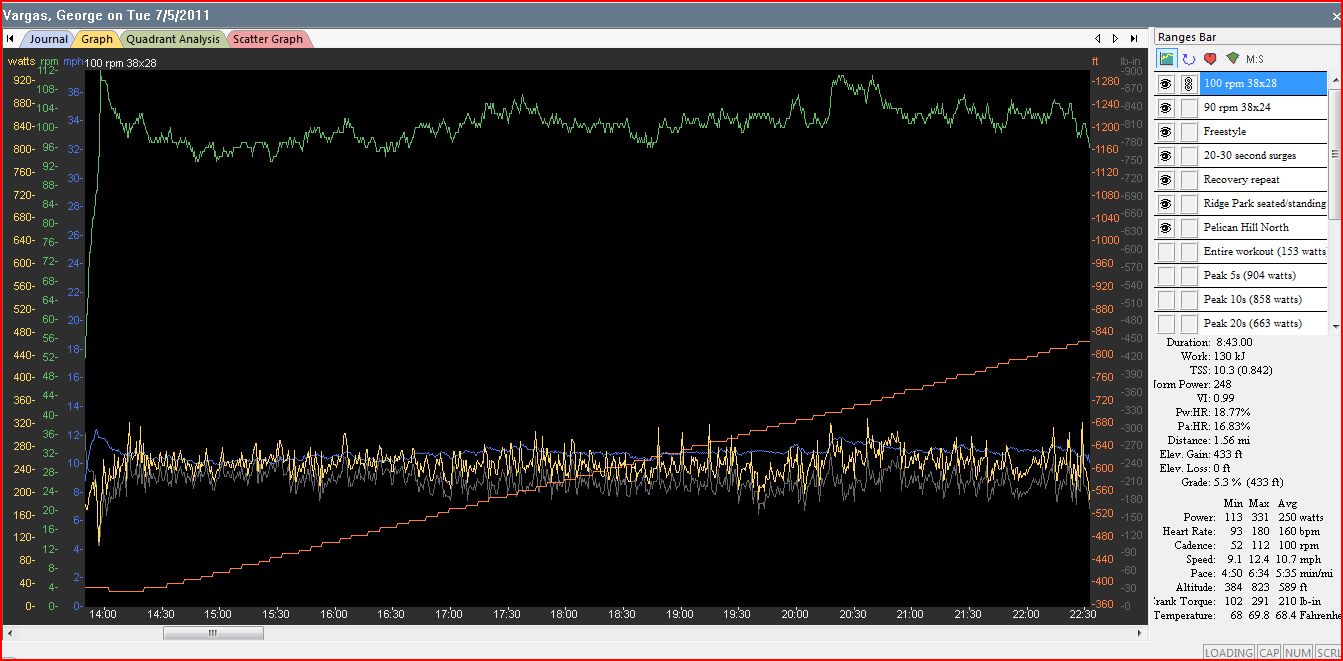
Newport Coast Drive in 38 x 28T holding a 100 Rpm average cadence.  Notice the grey line (torque) average was only 210 lb-in and lower than my average power of 250 watts (yellow).

Now compare the higher torque on the bottom portion of Newport Coast Drive and you will see the torque line skyrocket on the 8ish percent grade.

What to glean from the chart above:

39 x 27– 38.4 Gear Inches

38 x 28–  36.1 Gear Inches – Smaller Gear Inches makes it easier to climb

At 8 Mph

39 x 27- 70 Rpm

38 x 28- 74 Rpm – higher cadence means a little easier to pedal to maintain the same speed up a climb

At 80 Rpm:

39 x 27 – 9.1 Mph

38 x 28- 8.6 Mph  – being able to have a lower Mph while having the same cadence just another way to show it will be a lot easier.

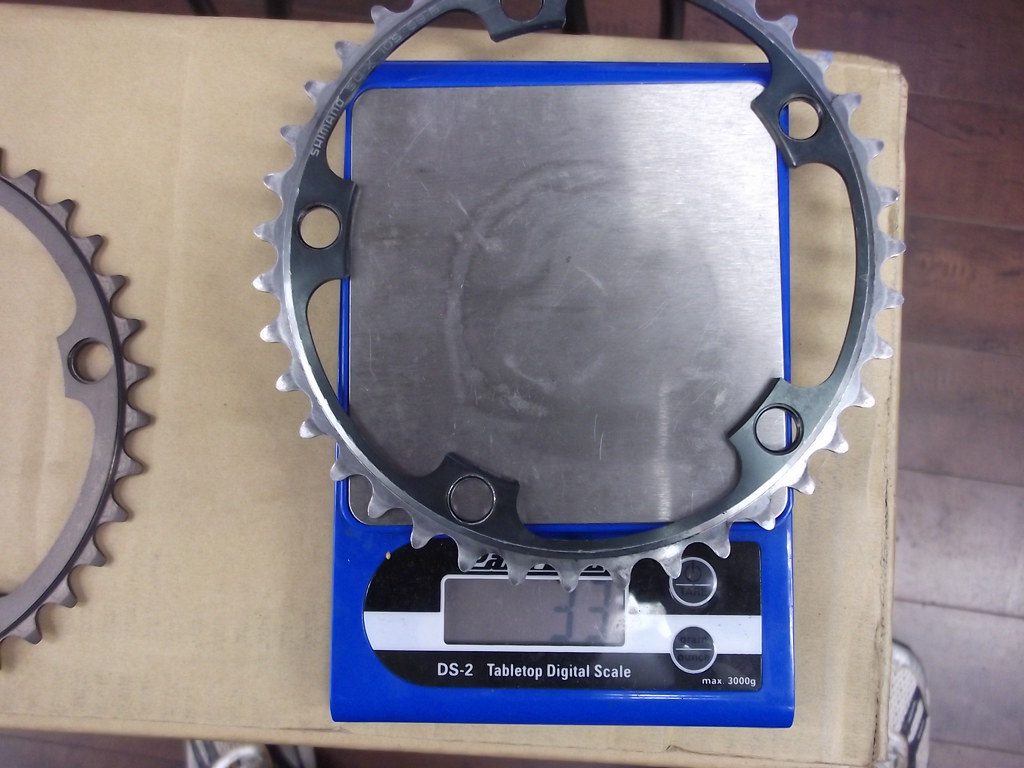
Shimano Dura-Ace 7900 39T Chain Ring

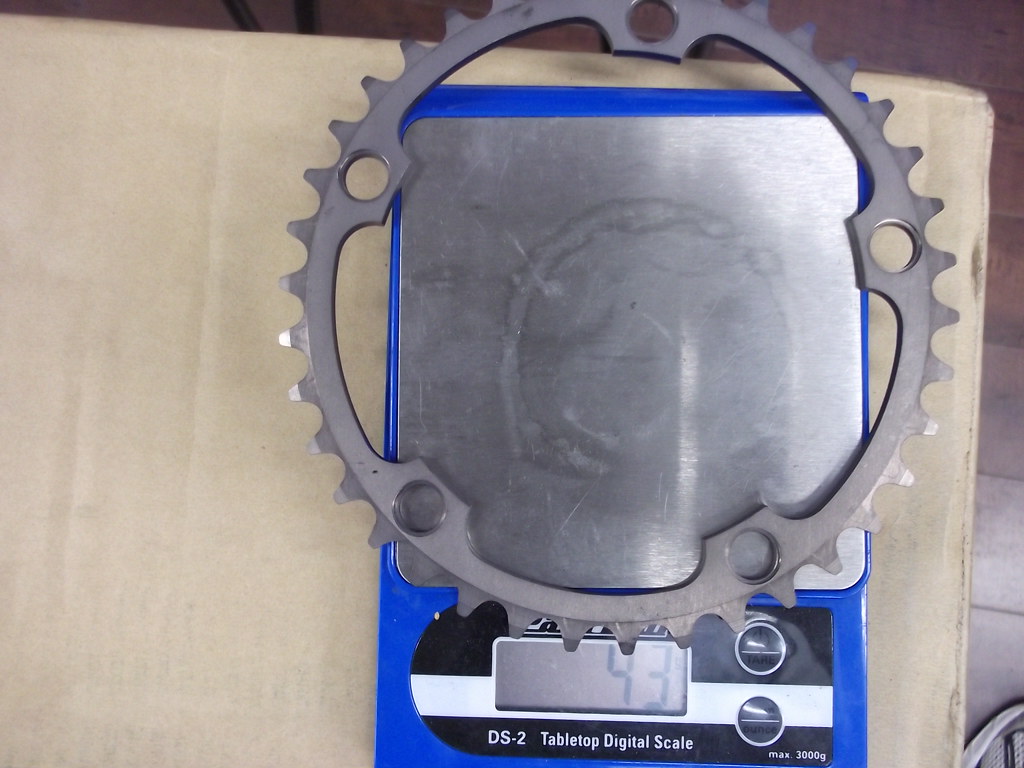
Blackspire 38T Chainring

SPOT GPS Messenger- Demo


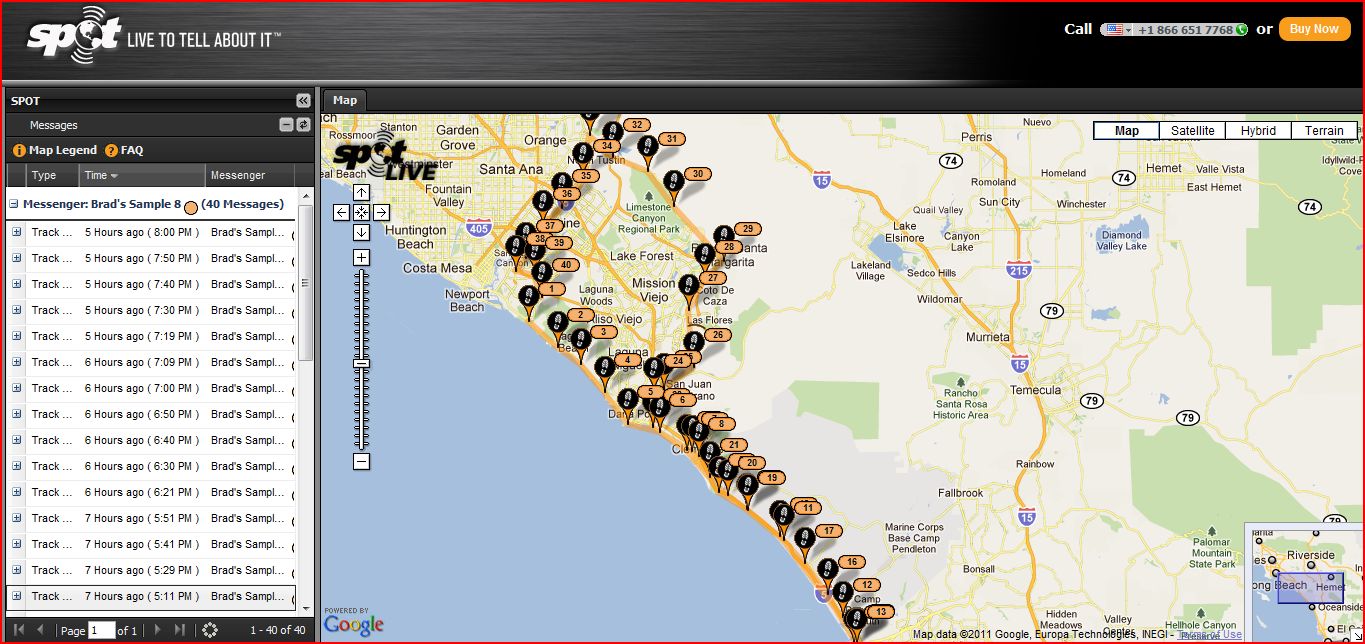
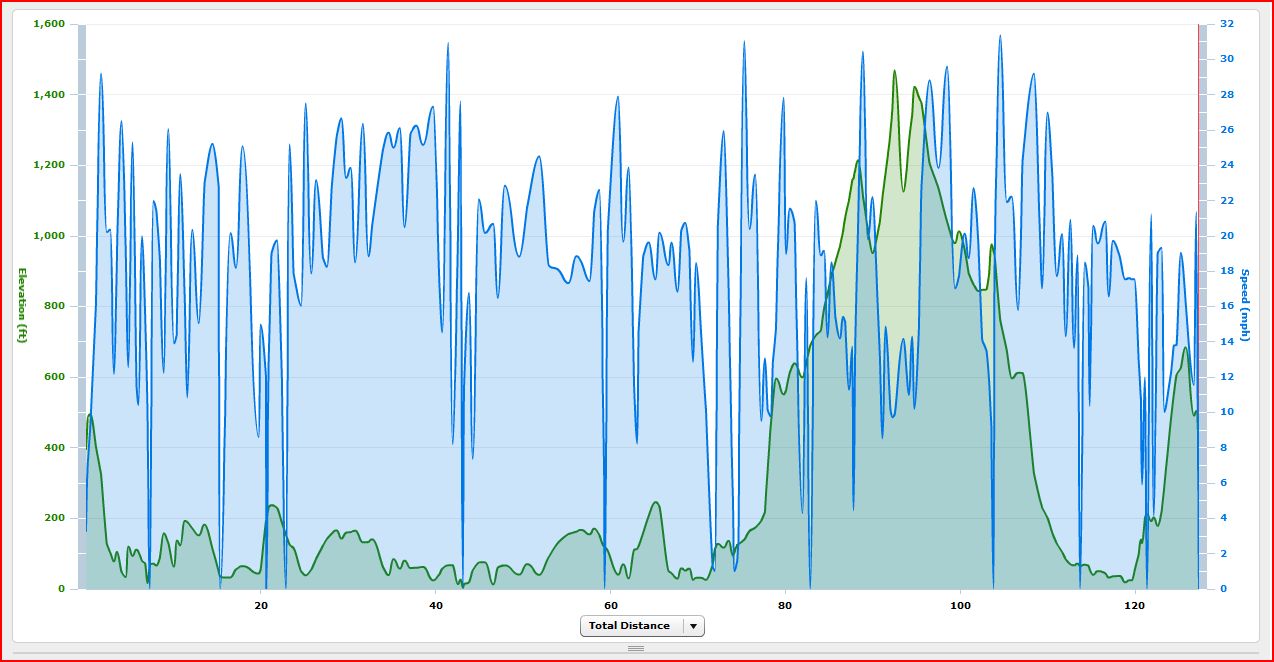
I would like to thank the good folks at SPOT, Brad Horton and Steve, for providing me with a demo unit of the SPOT GPS Messenger.  I will be experimenting with the SPOT GPS unit on local training rides until I get out for some long endurance rides remote areas.  I plan on using the SPOT when I do EC One.

Here is the link for my location and tracking information save it as a bookmark.

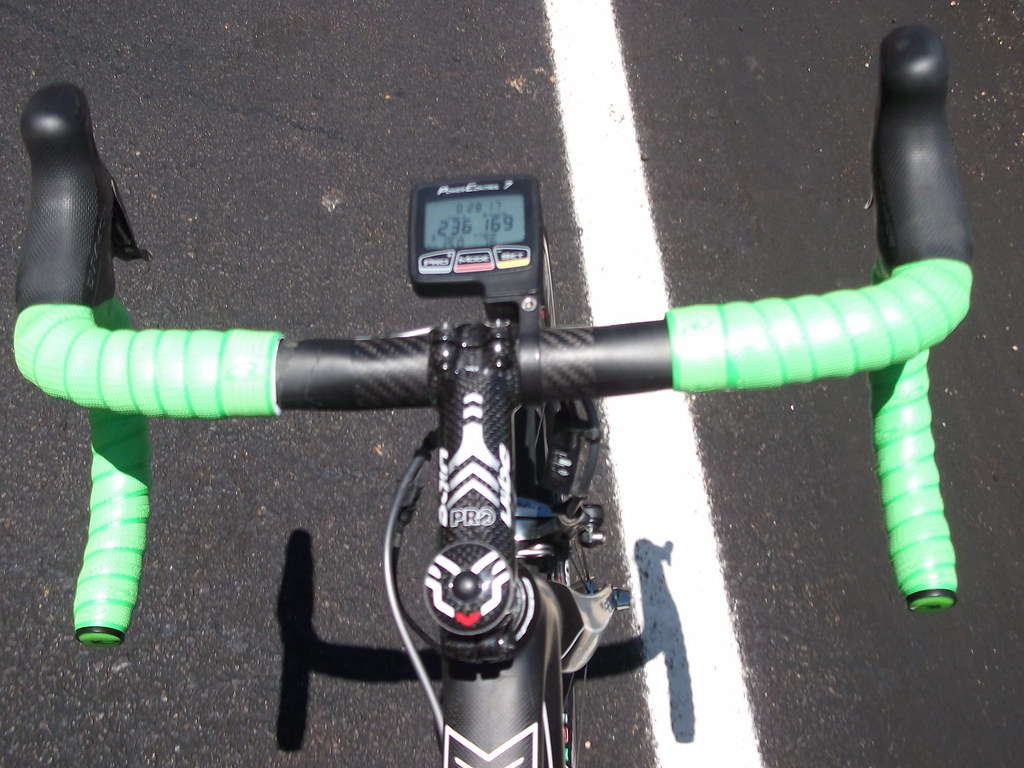
Product Review – Lizard Skins DSP Bar Tape 2.5


I have ridden the Lizard Skins DSP Bar Tape 2.5 for 22 hours/400 plus miles over the last two weeks.  I usually don’t like to ride padded saddles, padded bar tape, padded gloves or unconventional insoles.  Why?  I don’t know, I simply haven’t found the need for them.  I believe most hand numbness, aches and pains can be attributed to a poor fit.  Any attempt to pad one or any of your three contact points (hands, feet and fanny-the exception being a good pair of bib shorts) with the bike might actually be masking a more serious issue…either the wrong size bike or an improper fit on the correct size bike.

I have my favorite saddles.  That’s right saddleS.  I am not tied to any one saddle in particular.  I am fortunate enough to ride almost any quality saddle.  I have my favorite shoes.  And now I’ve found my favorite bar tape LIZARD SKINS.  It is by far the most comfortable bar tape I have ever ridden!!

If you are new to my blog, I am an Ultra Cyclist.  What does that mean?  Well my training rides are centuries (100 miles) and my shortest events are double centuries (200 miles).  While some people train all year to prepare for a century I prepare all year with centuries (weekly) for my goal event of the year.  In some circles, a double century is still not an Ultra because it doesn’t go beyond 24 hours.  I am one of those riders.  Depending on the amount of climbing, I finish most double centuries sub 13 hours.  Additionally, my perspective is a little skewed 😉  My main event of the season is the Furnace Creek 508.  It is a 508 mile non-stop Ultra Cycling event through the Mojave and Death Valley deserts, traversing 10 mountain passes with a cumulative gain of 35,000 feet of climbing my personal record being 37 hours and 34 minutes (yes 37 hours without stopping).

The Furnace Creek 508 will be the perfect proving grounds for Lizard Skin bar tape.  I don’t usually wear gloves until the last couple of hundred miles of the event.  The roads on the last 100 miles are some of the worst roads I have ever ridden on a road bike.  I can’t wait to use Lizard Skin bar tape.  The tape is soft to the touch, comfy on the palms, and non-slip (think sunscreen and sweat dripping down your arms to your hands in 100 degree heat) and comes in great colors.  The only downside I see right now is cleaning the tape isn’t that easy.  The very thing that makes it comfy, the soft gumminess, makes it  a little harder to clean.  I will experiment with a few different cleaners, and towel options and update you in the future. Thus far I have used Simple Green and a white shop rag and it takes a little effort.  I believe this is important to point out based on its $34.99 list price. I don’t imagine a rider changing his bar tape once a month.  A rider WILL get great life out of the tape density though.  However, after cleaning there is just a little grey left behind.  And you know roadies, they are quite fastidious about pristine looking bar tape…among other things 😉

In the meantime I’ll keep training in comfort with my Lizard Skins DSP 2.5.  I’m currently using the green tape because I am a member of the Simple Green/Bike Religion Cycling Team and I love my Swiftwick socks and cycling kit too 😉

As a bonus it was lighter than the bar tape I had been using PRO black.

Lizard Skins bar DSP 2.5 gets 4.5 on the scale of 1-5 (5 being perfect) ease of cleaning keeps it from a perfect 5.